The 7 Maintenance Systems Every Restaurant Should Have (And the One Most Miss)

Jasmine Reyes
Most restaurants don’t have a maintenance problem—they have a systems problem.
Not sure where your operation stands?
We help restaurants identify hidden maintenance risks before they become expensive problems.
Request a Quick Assessment
We help restaurants identify hidden maintenance risks before they become expensive problems.
Request a Quick Assessment
If you’re running a restaurant, you already have maintenance—just not always a system.
That’s the difference between scrambling when something breaks and running a controlled, predictable operation.
Reality Check:
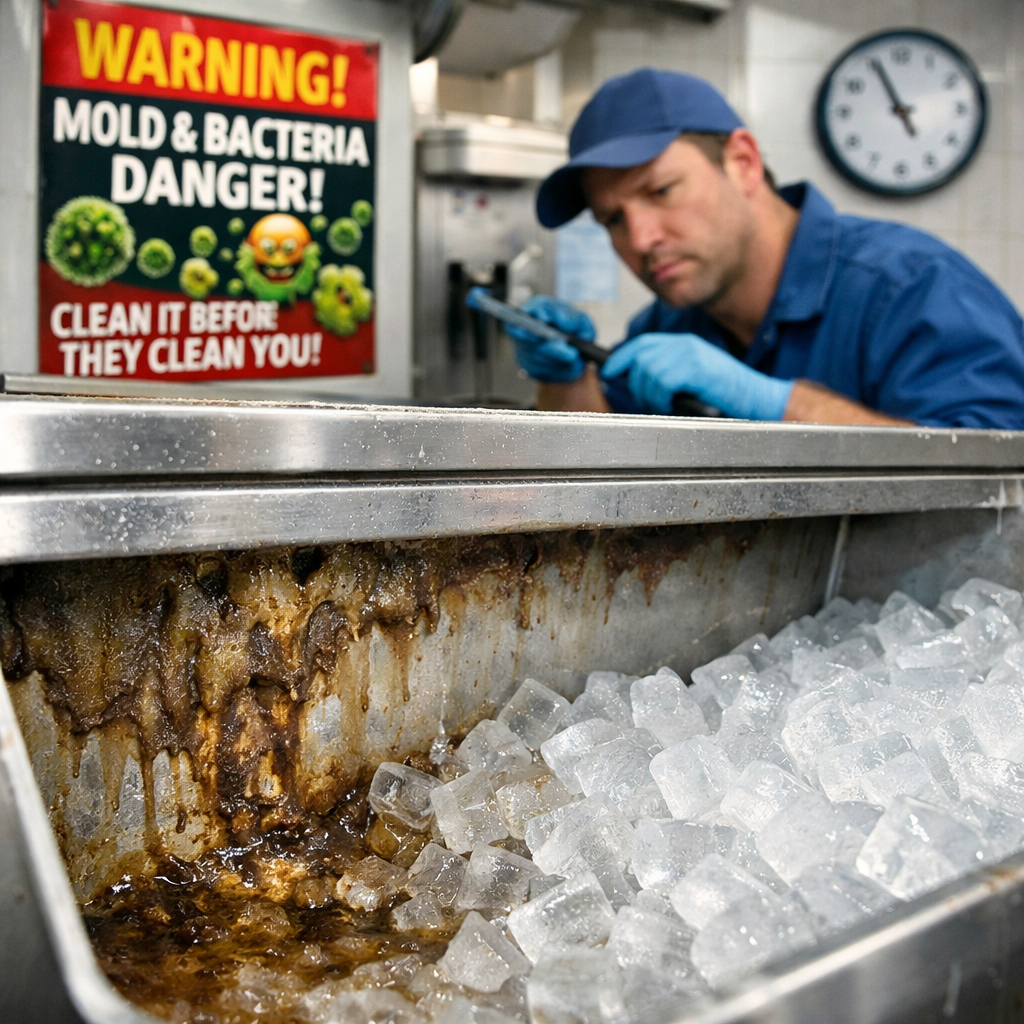
- Most restaurant ice machines would fail a deep sanitation inspection
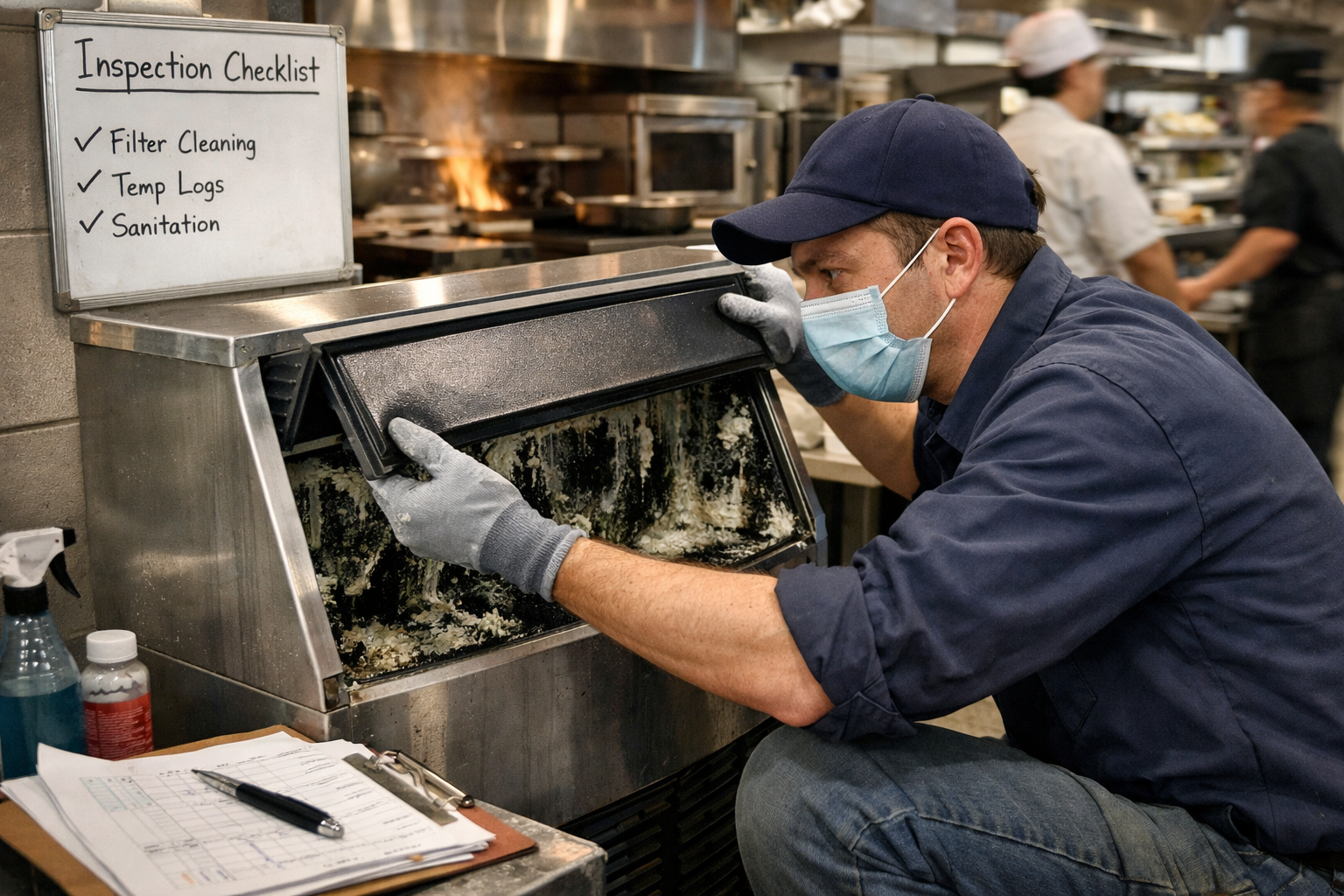
- We routinely find mold and biofilm in machines that “look clean”
- These issues are invisible until they become violations
1. Preventative Maintenance Scheduling
Every major piece of equipment should be on a defined schedule—not fixed when it fails.
2. Repair & Maintenance (R&M) Budgeting
Top operators plan for maintenance as a % of revenue, eliminating hesitation when issues arise.
3. Vendor Management System
Preferred vendors, defined expectations, and fast response times matter more than price.
4. Cleaning vs. Sanitization Protocols
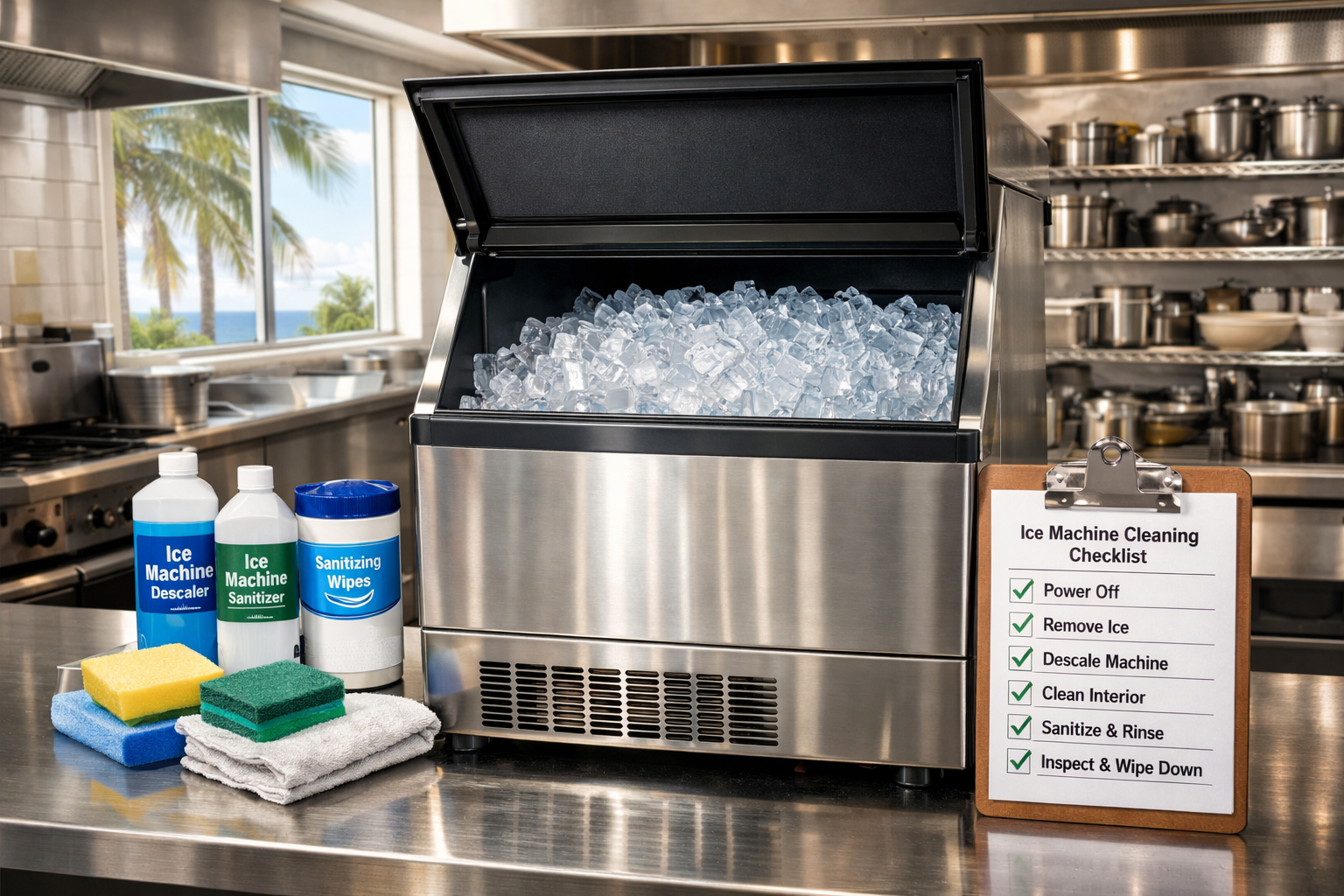
Cleaning removes debris. Sanitizing reduces microbial load. Most restaurants only do one.
5. Equipment Lifecycle Tracking
Track install dates and repair frequency to avoid overspending on failing equipment.
6. Staff-Level Maintenance Accountability
Maintenance must live at the staff level—not just management.
7. Inspection Readiness System
Internal inspections turn health inspections into routine events instead of stressful surprises.
The One Most Restaurants Miss: Ice Machine Sanitation
Ice machines are one of the most overlooked—and highest risk—pieces of equipment in a restaurant.
Ice isn’t just a utility—it’s a food product your customers consume every day.
What’s Happening Inside
- Dark, moist environment
- Constant water flow
- Organic buildup over time
What We Typically Find
In real inspections, we regularly see:
- ATP readings 3–10x higher than food-safe surfaces
- Visible mold in internal corners and behind panels
- Scale buildup reducing machine efficiency
We’ll show you exactly what’s inside your ice machine.
Not a guess. Not a pitch. An actual inspection.
See What’s Inside My Machine
Not a guess. Not a pitch. An actual inspection.
See What’s Inside My Machine
Why This Matters More Than Most Operators Think
Ice is classified as food by health departments. That means contamination isn’t just a cleanliness issue—it’s a compliance issue.
- Failed or flagged inspections
- Negative guest perception
- Reduced equipment lifespan
- Emergency cleanings and downtime